
Quick Answer
Yes, antibiotics that pass through your body and down the drain can reduce the population of beneficial bacteria in your septic tank, the same way they reduce bacteria in your gut. A single short course for one person in a normal-sized household is rarely enough to cause a noticeable problem, but repeated use, a household member on long-term antibiotics, or a large dose flushed directly (such as unused medication) can meaningfully set back your tank's bacterial activity. The fix is straightforward: give the system time, avoid adding further disruptions like bleach or antibacterial cleaners during recovery, and consider a bacterial supplement to help repopulate faster.
How Antibiotics Actually Reach Your Septic Tank
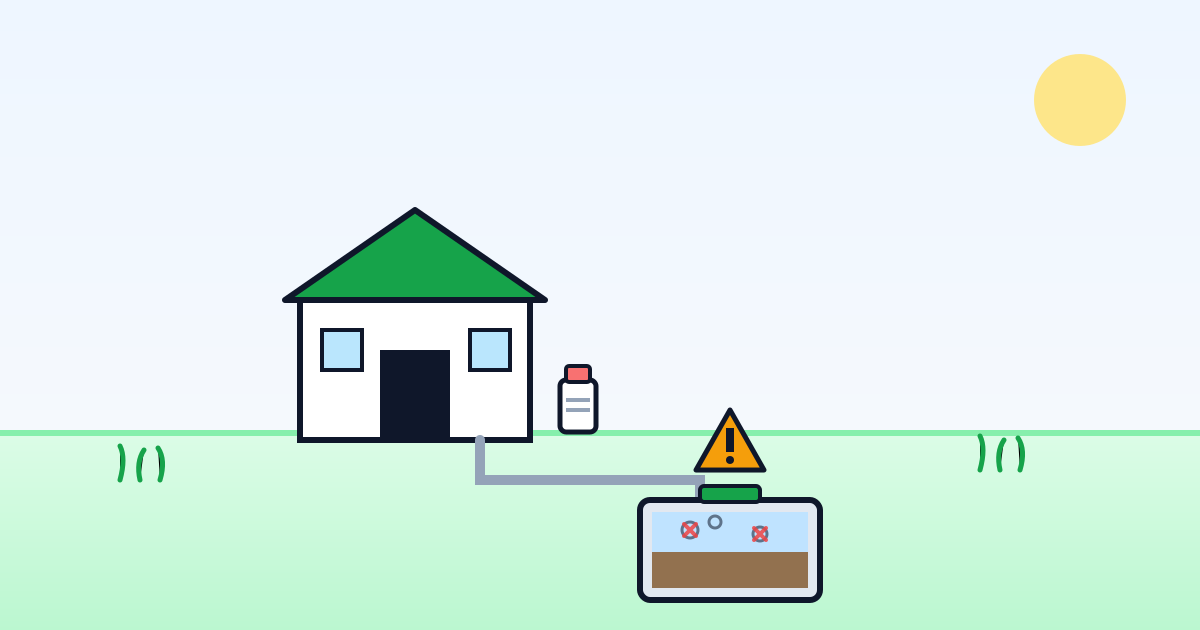
When someone takes an antibiotic, their body doesn't absorb and use 100% of it. A portion of the active compound, along with its metabolized byproducts, is excreted through urine and, to a lesser extent, feces. For a home on municipal sewer, that waste travels to a treatment plant designed to handle a huge, diluted volume from thousands of households. For a home on a septic system, which covers roughly one in five US households according to EPA estimates, that same waste goes directly into a tank sized for just your household, where a living colony of bacteria is actively doing the work of breaking down solids. There's no treatment plant diluting it first, it's a much more concentrated, direct exposure to whatever medication was in your system.
Why Your Tank's Bacteria Matter So Much In The First Place
Your septic tank isn't just a holding container, it's a working biological environment. Anaerobic bacteria naturally present in the tank break down solid waste into liquid effluent and sludge, which is what allows your system to function between pumpings instead of filling up immediately. This bacterial activity is also what keeps odors in check and prevents solids from building up fast enough to clog your drain field. When that bacterial population takes a hit, the tank doesn't stop working overnight, but its efficiency drops, and problems like slow drains, odors, or a faster-filling tank can start showing up over the following weeks.
How Much Damage Is Realistic For A Typical Household
This is the part worth keeping in perspective. Antibiotics are designed to target specific types of bacteria in the human body, and while some crossover effect on septic tank bacteria is real, a standard 7 to 14 day course taken by one person in an otherwise typical household is usually a temporary dip, not a system-wide collapse. Your tank holds hundreds or thousands of gallons of active bacterial culture, and the diluting effect of normal household wastewater, laundry, dishwashing, showers, means the concentration reaching the tank is far lower than what was in the actual prescribed dose. Most homes recover their bacterial balance within a few weeks without any special intervention at all.
See Current Septifix Pricing
Help restore bacterial activity after antibiotics disrupt your system's natural balance.
Check Current PriceSituations With Higher Risk
- Long-term or recurring antibiotic use — a household member managing a chronic condition requiring months of antibiotics puts sustained pressure on the tank's bacterial population rather than a brief dip
- Multiple household members on antibiotics at once — a shared illness going around the house, or several people on separate prescriptions simultaneously, compounds the effect
- A smaller or older, already-stressed system — a tank that's overdue for pumping, covered in how often to pump a septic tank, or already running a reduced bacterial population has less buffer to absorb the hit
- Flushing unused or expired antibiotics directly — this delivers a much higher concentration than what passes through the body, and is a different and more serious issue, covered further below
- Combining antibiotics with other antibacterial habits — heavy bleach use, antibacterial hand soaps down the drain, or harsh cleaning chemicals at the same time, covered in can bleach damage your septic tank, stacks additional stress on top of the medication's effect
Signs Your System May Be Struggling
After a heavier antibiotic exposure, keep an eye out for slower-than-usual drains across multiple fixtures, covered in toilet gurgling, new or stronger odors near the tank area or inside the house, covered in septic tank smell in house, or a general sense that the system is less responsive than normal. These signs don't automatically mean antibiotics are the cause, but if they show up within a few weeks of a heavy medication period, it's a reasonable connection to consider alongside your normal maintenance schedule.
What To Do During And After A Course Of Antibiotics
- Keep up normal water use, don't overcompensate — there's no need to restrict showers or laundry during a standard course, moderation is about avoiding excess, not avoiding normal household function
- Hold off on bleach and harsh antibacterial cleaners — giving the tank's bacteria one less thing to fight during and shortly after a medication course gives it a better chance to recover on its own
- Space out heavy laundry days if someone is on a longer course, rather than running several loads back to back, covered in how laundry affects your septic tank
- Consider a bacterial supplement afterward — a monthly treatment like Septifix is designed to help reintroduce beneficial bacteria and support the tank's recovery, which can be a reasonable step after a longer or repeated antibiotic course specifically, rather than a routine add every single month regardless of circumstances
- Stick to your normal pumping schedule — a temporary bacterial dip doesn't replace the physical need for periodic pumping to remove accumulated solids and sludge, covered in septic pumping cost
Never Flush Unused Medication
This deserves its own section because it's a genuinely different situation from normal excretion. Flushing leftover pills, whether antibiotics or anything else, sends a far higher concentrated dose directly into your tank than anything your body would have excreted naturally, and it can also contribute to broader water contamination concerns the EPA and FDA have both flagged for septic and municipal systems alike. If you have unused medication, the safer disposal route in most US areas is a pharmacy take-back program or a local household hazardous waste collection event, not the toilet or the sink.
Frequently Asked Questions
Will one round of antibiotics ruin my septic tank?
No. A single standard course taken by one household member is a minor, temporary disruption for most systems, not a lasting one. Full bacterial recovery within a few weeks is typical without any special action.
Should I stop using my septic system while on antibiotics?
No, normal household water use should continue. There's no practical way to avoid your system entirely, and doing so isn't necessary for a standard course of medication.
Does Septifix help after antibiotics specifically?
Septifix is formulated to support beneficial bacterial activity generally, which is relevant whenever that population has been disrupted, including after a longer antibiotic course. It isn't marketed as a medical-grade fix for a specific event, just ongoing bacterial maintenance support.
What about other medications, not just antibiotics?
Most non-antibiotic medications excreted through normal use don't have the same targeted antibacterial effect, since antibiotics are specifically designed to kill bacteria. Other medications are a separate consideration, mainly around water contamination rather than septic tank bacterial health specifically.
Final Thoughts
A typical course of antibiotics is a manageable, temporary event for most septic systems, not a crisis. The households that actually run into trouble tend to be dealing with long-term medication use, multiple people on antibiotics at once, or the separate issue of flushing unused pills directly. For normal situations, giving your tank a little grace, avoiding extra antibacterial stress like bleach during recovery, and maintaining your regular pumping schedule is usually all it takes. If you want extra support rebuilding bacterial activity afterward, our full Septifix Review 2026 covers how a monthly bacterial treatment fits into that kind of recovery routine.