
Quick Answer
Septifix is formulated as a bacteria-and-enzyme-and-oxygen based septic tank treatment intended to be flushed directly into your plumbing, not left out or handled repeatedly around the house. It is not designed, tested, or marketed as a pet-safe consumer product in the way a pet toy or treat would be, and like any household product that isn't food, it should be stored securely out of reach of pets and used exactly as intended, flushed down the toilet, rather than left accessible. For specific concerns about accidental exposure or ingestion, contacting your veterinarian or a poison control hotline is always the right first step, not general information from a blog.
Why Pet Owners Reasonably Ask This Question
Anyone who has lived with a dog that eats things it shouldn't, or a cat that treats every countertop as fair game, understands why this question comes up. It's not an overreaction, it's the same instinct that makes a responsible pet owner check whether a new houseplant, cleaning spray, or air freshener is something they need to keep out of paw's reach. Septic tank treatments occupy an unusual space in a lot of households: they're not exactly a "chemical" in the harsh cleaning-product sense, since bacteria-and-enzyme formulas are generally considered gentler than caustic alternatives, but they're also not food, a toy, or anything designed with animal contact in mind. That ambiguity is exactly what prompts the question, and it deserves a straightforward answer rather than either dismissing the concern or overstating the risk.
What's Actually In The Tablet
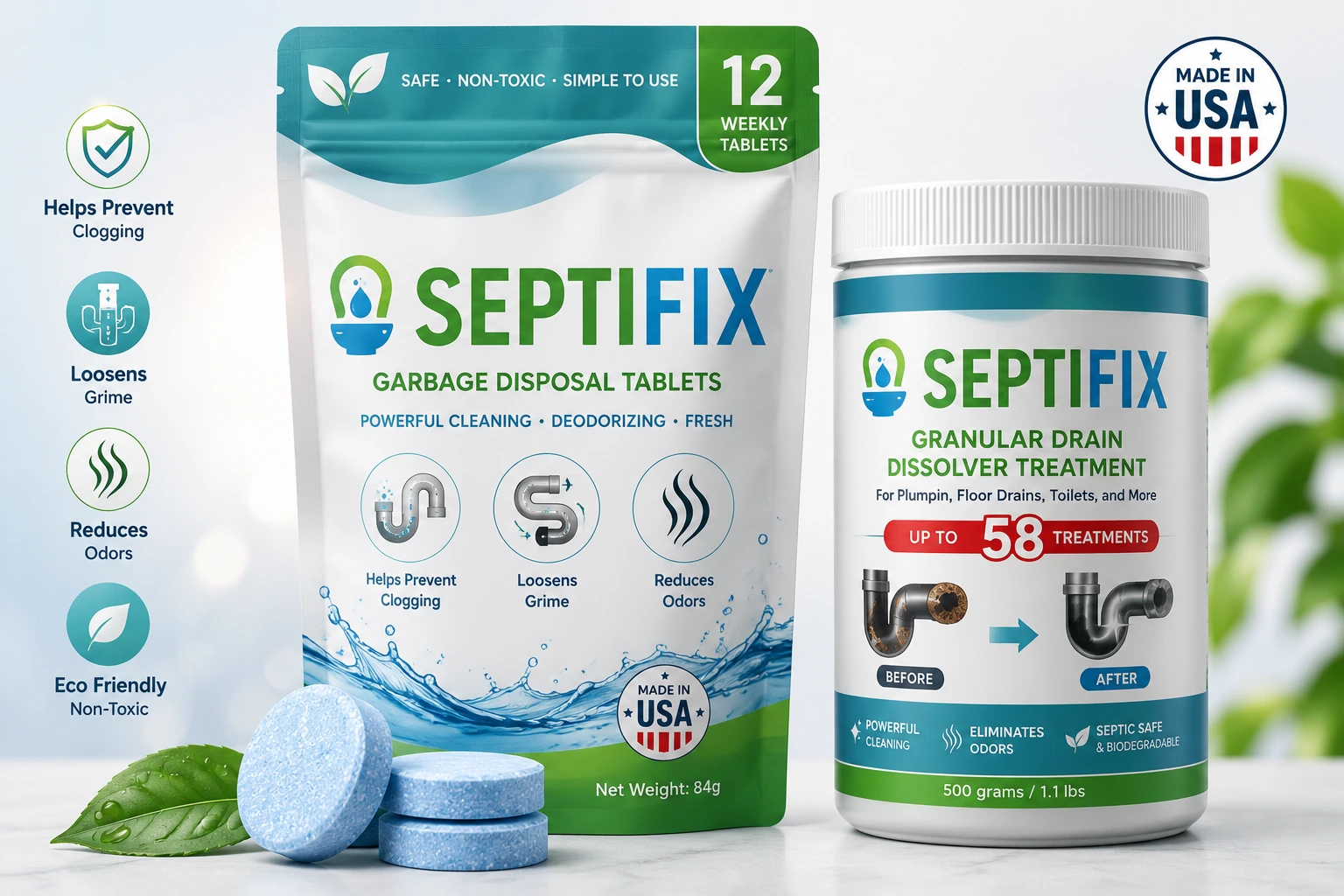
According to the manufacturer, Septifix combines beneficial bacteria strains, enzymes, and oxygen-releasing compounds, a formula built around supporting the biological waste-breakdown process inside a septic tank. We've covered this formula in detail in our guide on Septifix ingredients explained, and the short version is that this category of product, bacteria-and-enzyme based rather than harsh synthetic chemical, is generally considered gentler than the caustic alternatives found in traditional drain cleaners. That said, "gentler than a caustic chemical" is not the same claim as "formulated and tested for pet safety," and it's worth being precise about that distinction rather than blurring the two.
Intended Use vs Accidental Exposure
It's worth separating two very different scenarios clearly. The first is intended use: a tablet is removed from its packaging and flushed directly down a toilet, the same way it's designed to be used every time, with no meaningful window for a pet to interact with it at all. The second is accidental exposure: a tablet left out on a counter, dropped on the floor, or stored somewhere a determined pet can reach it. The entire safety picture changes depending on which of these situations you're actually asking about. Used exactly as intended, direct pet exposure to the tablet simply isn't part of the normal use case, which is a meaningfully different risk profile than a product explicitly designed to be applied to surfaces pets walk on or spaces pets occupy.
Storing Septifix In A Pet-Friendly Home
The practical takeaway for pet owners is really about storage habits more than the product's formula itself. We covered general storage best practices in our guide on how to store Septifix tablets, and the same principles that protect a multi-month supply from heat and humidity also happen to be the same habits that keep it away from pets:
- Keep the product in its original packaging, in a closed cabinet or closet rather than left out on a counter or open shelf
- Choose a storage location pets can't access, particularly if you have a dog that can open cabinets or a cat that jumps onto counters and shelves
- Apply the tablet immediately when you're ready to use it, flushing it right away rather than setting it down nearby and getting distracted
- If you manage a multi-month supply for a rental property or a second home, apply the same secure storage standard there, not just at your primary residence
None of this is unique to Septifix specifically, it's the same commonsense approach any responsible pet owner already applies to cleaning supplies, medications, and other non-food household products. The difference is simply that septic tablets aren't always top of mind the way a bottle of bleach obviously is, which is exactly why it's worth calling out directly.
See Current Septifix Pricing
Store securely, use as directed, and keep your household routine simple.
Check Current PriceIf Your Pet Gets Into A Tablet
If you suspect your dog or cat has chewed on, swallowed, or otherwise been exposed to a Septifix tablet, or any septic tank treatment product, the appropriate response is the same as it would be for any non-food product a pet unexpectedly gets into: contact your veterinarian or a pet poison control hotline immediately, and have the product packaging on hand so you can reference the specific ingredients if asked. We are not veterinarians, and we don't provide medical guidance for animals on this site, this is a genuine situation that calls for a professional who can assess your specific pet, their size, their symptoms, and the quantity involved, none of which a general blog article can account for. Don't wait to see if symptoms develop before reaching out.
Yard And Drain Field Safety For Outdoor Pets
Beyond the tablet itself, some pet owners also wonder about their septic system more broadly, since dogs in particular often spend time in yards that sit directly above a tank or drain field. This is a genuinely separate question from tablet safety, and the honest answer is that a properly functioning, well-maintained septic system doesn't create an ongoing hazard for pets walking or playing in the yard above it. The situations actually worth being cautious about are the same ones we've covered elsewhere as broader system health concerns, not anything specific to using a treatment product: a septic system with visible surfacing wastewater, standing water, or odor at the surface, covered in our guide on soggy yard over your septic system, is a situation where you'd want to keep pets away from that specific area regardless of what treatment routine you follow, simply because surfacing wastewater itself is a sanitation concern for any living creature, pets included. A normally functioning system with no surfacing issues doesn't present that same concern.
How This Compares To Other Household Products
It's useful context to note that Septifix isn't unusual in occupying this "store securely, not intended for pet contact" category, most household products fall into the same bucket. Laundry detergent, dishwasher pods, cleaning sprays, and yes, other septic treatments including the bacteria-and-enzyme competitors we've reviewed elsewhere, all carry the same basic expectation: designed for a specific intended use, not for pet accessibility, and appropriately stored out of reach as standard practice. This isn't a red flag specific to Septifix, it's simply what responsible use of any non-food household product looks like, and framing it that way is more useful to pet owners than either alarm or false reassurance.
What We Can't Tell You, And Why
We want to be direct about the limits of what we can responsibly say here. We are a septic and home-maintenance information site, not a veterinary resource, and we don't have access to species-specific toxicology data, ingestion thresholds by body weight, or clinical outcome data that would let us make a specific medical safety claim about dogs or cats and this particular product. Any site that confidently tells you an exact "safe" or "unsafe" verdict without that underlying data is making a claim it can't actually back up. What we can tell you, accurately, is the product's intended use case, the formula category it falls into, and the sensible storage habits that avoid the question ever becoming relevant in the first place. For anything beyond that, your veterinarian is the right resource, not a blog.
Frequently Asked Questions
Is Septifix toxic to dogs?
We can't make a specific medical safety claim, since we're not a veterinary resource and don't have species-specific toxicology data for this product. Septifix is a bacteria-and-enzyme-and-oxygen formula, generally a gentler category than harsh chemical products, but it's not formulated or tested as a pet-safe consumer item. If you have a specific concern about your pet, contact your veterinarian.
What should I do if my cat or dog eats a Septifix tablet?
Contact your veterinarian or a pet poison control hotline right away and have the product packaging available. Don't wait to see if symptoms appear before reaching out.
Is it safe for my dog to be in the yard above my septic system?
A properly functioning, well-maintained septic system with no surfacing wastewater or standing water doesn't present an ongoing hazard for pets in the yard. If you notice standing water, odor, or other surfacing issues, keep pets away from that specific area and address it as you would any septic problem.
How should I store Septifix if I have pets in the house?
Keep it in its original packaging in a closed cabinet or closet inaccessible to your pets, and apply each tablet immediately when you're ready to use it rather than leaving it out. See our full guide on how to store Septifix tablets for more detail.
Final Thoughts
Septifix is designed to be flushed directly into your plumbing as part of a monthly septic maintenance routine, not to be handled, left out, or accessible to pets in any ongoing way. Used exactly as intended and stored securely, the product doesn't create a meaningful point of contact with your dog or cat in the first place, which is really the most practical, actionable safety measure any pet owner can take. For anything beyond general storage and usage guidance, especially a specific concern about accidental exposure, your veterinarian is the right person to talk to, not a general information article. For the complete picture of the product itself, see our full Septifix Review 2026.