
Quick Answer
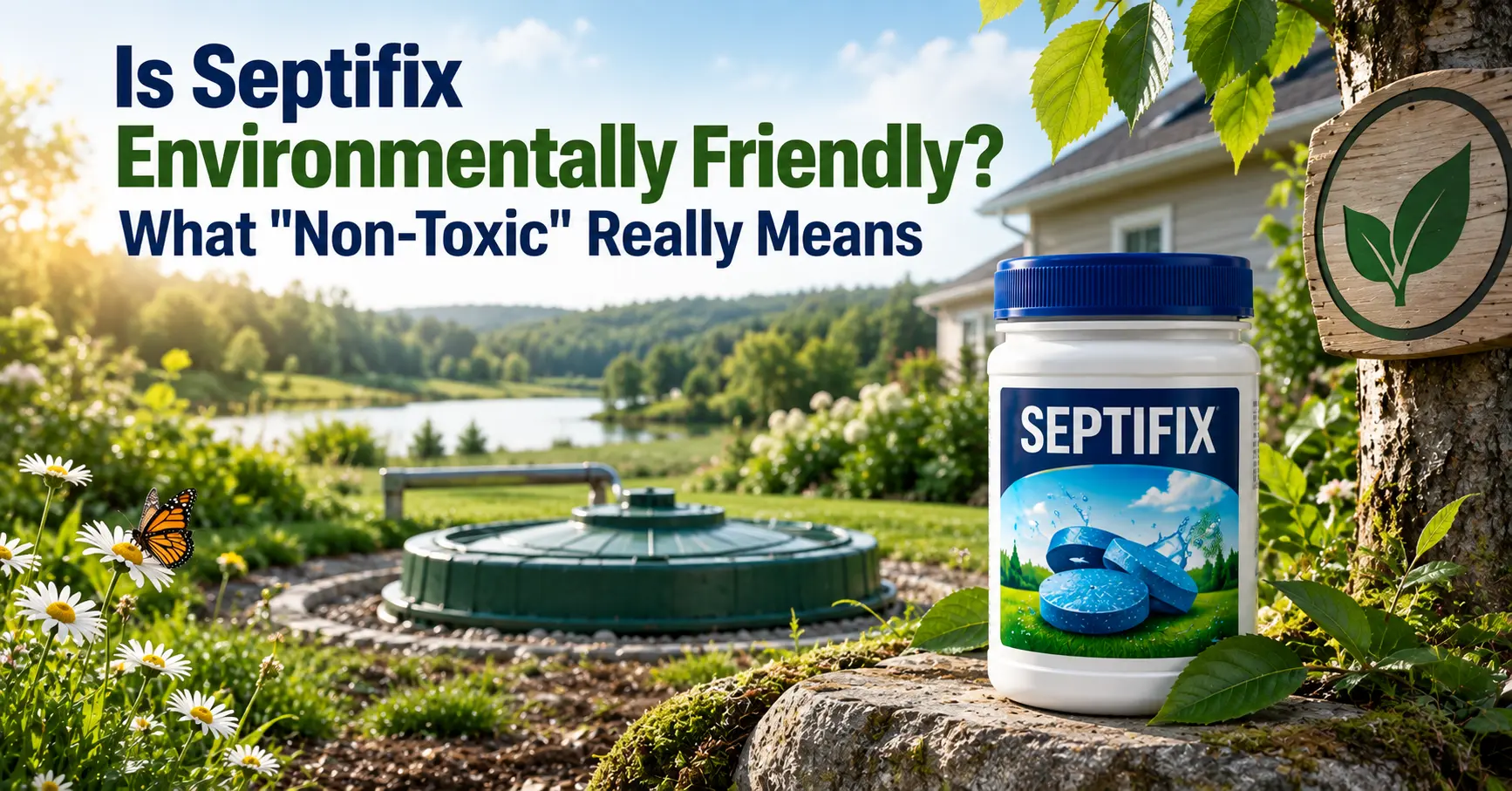
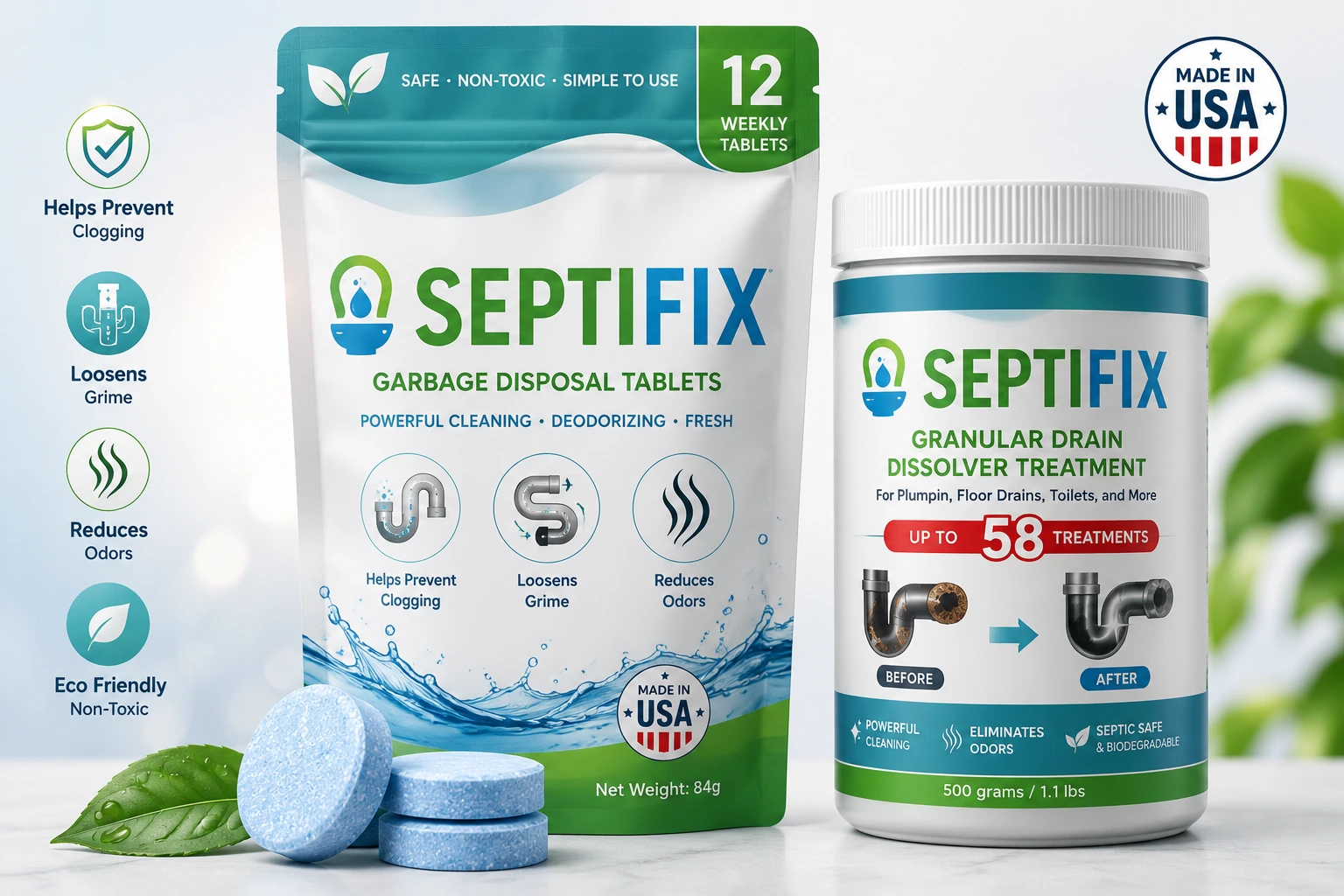
According to the manufacturer, Septifix is formulated with natural ingredients, bacteria, enzymes, and pH-regulating compounds, without harsh synthetic chemicals, which is the basis for its non-toxic and environmentally safe marketing claims. This is broadly consistent with how bacteria-and-enzyme septic treatments as a category are generally understood to be gentler on both plumbing and the surrounding environment compared to harsh chemical alternatives. "Non-toxic" and "environmentally friendly" aren't independently regulated, standardized labels in this product category, though, so it's worth understanding them as descriptive manufacturer claims rather than certified, third-party-verified designations.
Why "Non-Toxic" And "Eco-Friendly" Aren't Standardized Terms
Unlike terms such as "USDA Organic" or "EPA registered," which have specific legal definitions and require formal certification, phrases like "non-toxic," "eco-friendly," and "environmentally safe" are largely unregulated marketing language in the U.S. consumer product space. This doesn't automatically mean a claim using these words is false, but it does mean the claim is the manufacturer's own description rather than something verified against an independent, standardized bar. Understanding this distinction is the first step to evaluating any product's environmental marketing critically, Septifix included.
What's Actually In The Formula
According to the manufacturer, Septifix tablets contain beneficial aerobic bacteria strains, enzymes intended to help break down organic waste, and pH-regulating compounds described as helping buffer water toward a neutral pH to support bacterial activity. The company states the formula avoids harsh synthetic chemicals and is made with natural ingredients. This general formulation category, bacteria, enzymes, and pH support, is consistent with how the broader septic treatment industry describes bacteria-and-enzyme products as a category, distinct from chemical-based drain and septic treatments. You can read the complete ingredient breakdown in our guide on Septifix ingredients explained.
Reading This Kind Of Marketing Language Carefully
It's worth applying the same critical reading habits here that are useful for evaluating any product claim, discussed in more depth in our guide on how to evaluate Septifix reviews. A claim like "environmentally safe" sounds absolute, but it's more accurate to think of it as relative, safer relative to harsh chemical alternatives within the same product category, rather than an assertion that the product has zero environmental footprint whatsoever. Every manufactured product, packaging included, carries some footprint. The more useful comparison is category-to-category, bacteria-and-enzyme treatments versus chemical treatments, not an absolute, zero-impact standard that essentially no consumer product could meet.
Bacteria And Enzymes: The Environmental Baseline
Bacteria and enzymes are, by their nature, biological rather than synthetic chemical agents. They work by supporting and accelerating processes, waste breakdown, that already occur naturally in any septic tank, treated or not. This is a meaningfully different category from products built around harsh solvents or corrosive chemical agents, which can pose more direct environmental and plumbing safety concerns if used in excess. We cover this broader category distinction in bacteria vs enzyme septic treatments and are septic tank additives worth it.
How This Compares To Chemical Treatments
Harsh chemical drain and septic treatments, by contrast, are generally designed around aggressive chemical reactions intended to dissolve clogs or waste quickly. These can pose more direct concerns for both plumbing, through potential pipe corrosion with frequent use, and for the bacterial ecosystem the septic tank itself depends on, since they don't distinguish between a clog and the beneficial bacteria a healthy system needs. A bacteria-and-enzyme product's relative environmental gentleness is best understood in this comparative context, it's working with your system's natural process rather than against it through aggressive chemistry.
See Current Septifix Pricing
A bacteria-and-enzyme formula designed to work with your system's natural process.
Check Current PriceThe Bigger Environmental Picture: Septic Systems And Groundwater
It's worth zooming out to the environmental stakes involved with septic systems generally. The EPA has published extensive guidance on the risks that poorly maintained septic systems pose to groundwater and local waterways, untreated or poorly treated wastewater reaching groundwater is a genuine, well-documented environmental and public health concern, which is exactly why proper septic maintenance matters environmentally, not just for the homeowner's own convenience. This broader public health and environmental context is real and well-established, independent of any specific product's marketing. Households near lakes, rivers, or coastal waterways carry particular importance here, since these systems are often closer to sensitive water bodies where nutrient runoff and bacterial contamination can have visible, measurable downstream effects.
Where A Treatment Product Fits Into That Bigger Picture
A properly functioning septic system, supported by consistent maintenance, poses meaningfully less environmental risk than a neglected one. To the extent a treatment product genuinely supports healthy bacterial activity and more efficient waste breakdown, it's plausible that it contributes positively to this bigger picture, alongside consistent pumping and mindful water use, which remain the primary drivers of a system's actual environmental impact. This is a supporting factor within a much larger picture, not a standalone environmental solution, similar to how we've framed other supporting benefits throughout our coverage, including in Septifix and drain field longevity.
Limits Worth Understanding
- "Non-toxic" and "eco-friendly" are manufacturer descriptions, not independently certified environmental labels in this product category
- A treatment product's environmental contribution is secondary to the bigger factors of consistent pumping and mindful household water use
- No treatment product offsets the environmental risk of a genuinely failing or neglected system, covered in the true cost of septic neglect
- Environmental claims should be read as directionally reasonable given the bacteria-and-enzyme category, not as certified, third-party-verified guarantees
What To Look For If Environmental Impact Matters To You
- Favor bacteria-and-enzyme formulas over harsh chemical treatments as a category-level choice
- Prioritize consistent professional pumping and mindful water use, which have a larger environmental impact than any single treatment product
- Understand marketing terms like "non-toxic" as manufacturer descriptions rather than certified labels, and weigh them accordingly
- Look at the underlying ingredient category, bacteria and enzymes versus synthetic chemicals, as the most meaningful practical distinction available to you as a buyer
Packaging And Disposal Considerations
A fuller environmental picture also includes the product's packaging and how any unused portion is handled. Tablet packaging is generally more compact than liquid treatment bottles, which can mean less plastic overall depending on the specific packaging design, though this varies by manufacturer and isn't something we can state definitively without directly comparing specific packaging specs across brands. If a tablet is ever damaged or unusable before reaching the tank, following standard household waste disposal guidance for the product, rather than pouring it down an unrelated drain or discarding it in a way inconsistent with the packaging's instructions, is a reasonable, straightforward practice.
For the complete product picture, see our Septifix Review 2026.
Frequently Asked Questions
Is "non-toxic" a certified label for Septifix?
No, this is a manufacturer description rather than a certification from an independent regulatory or certification body. It's a reasonable claim given the bacteria-and-enzyme formula, but it isn't independently verified in the way something like a specific EPA registration would be.
Is Septifix better for the environment than chemical drain cleaners?
Bacteria-and-enzyme formulas are generally considered gentler on both plumbing and the bacterial ecosystem a septic tank depends on, compared to harsh chemical treatments, which is the basis for this comparative claim.
Does using Septifix mean I'm doing enough for the environment?
A treatment product is one small supporting factor. Consistent professional pumping and mindful water use have a much larger environmental impact on your septic system's overall footprint.
What does "natural ingredients" actually mean for this type of product?
According to the manufacturer, this refers to the bacteria, enzyme, and pH-regulating compounds rather than synthetic chemical agents. See our full Septifix ingredients explained guide for the complete breakdown.
Are all septic treatment brands that claim to be "eco-friendly" equally accurate?
Not necessarily. Since these terms aren't independently standardized across the industry, it's worth looking at each brand's actual stated ingredient category, bacteria-and-enzyme versus chemical-based, rather than assuming the marketing language itself guarantees an equivalent standard across every product using similar wording.
Final Thoughts
Septifix's non-toxic and environmentally friendly marketing claims are reasonable given its bacteria-and-enzyme formulation, a category genuinely understood to be gentler than harsh chemical alternatives. These terms aren't independently certified labels, though, so they're worth reading as directionally accurate manufacturer descriptions rather than verified environmental credentials. The larger environmental picture, protecting groundwater from a poorly maintained septic system, depends far more on consistent pumping and responsible water use than on any single treatment product's formula.