
Quick Answer
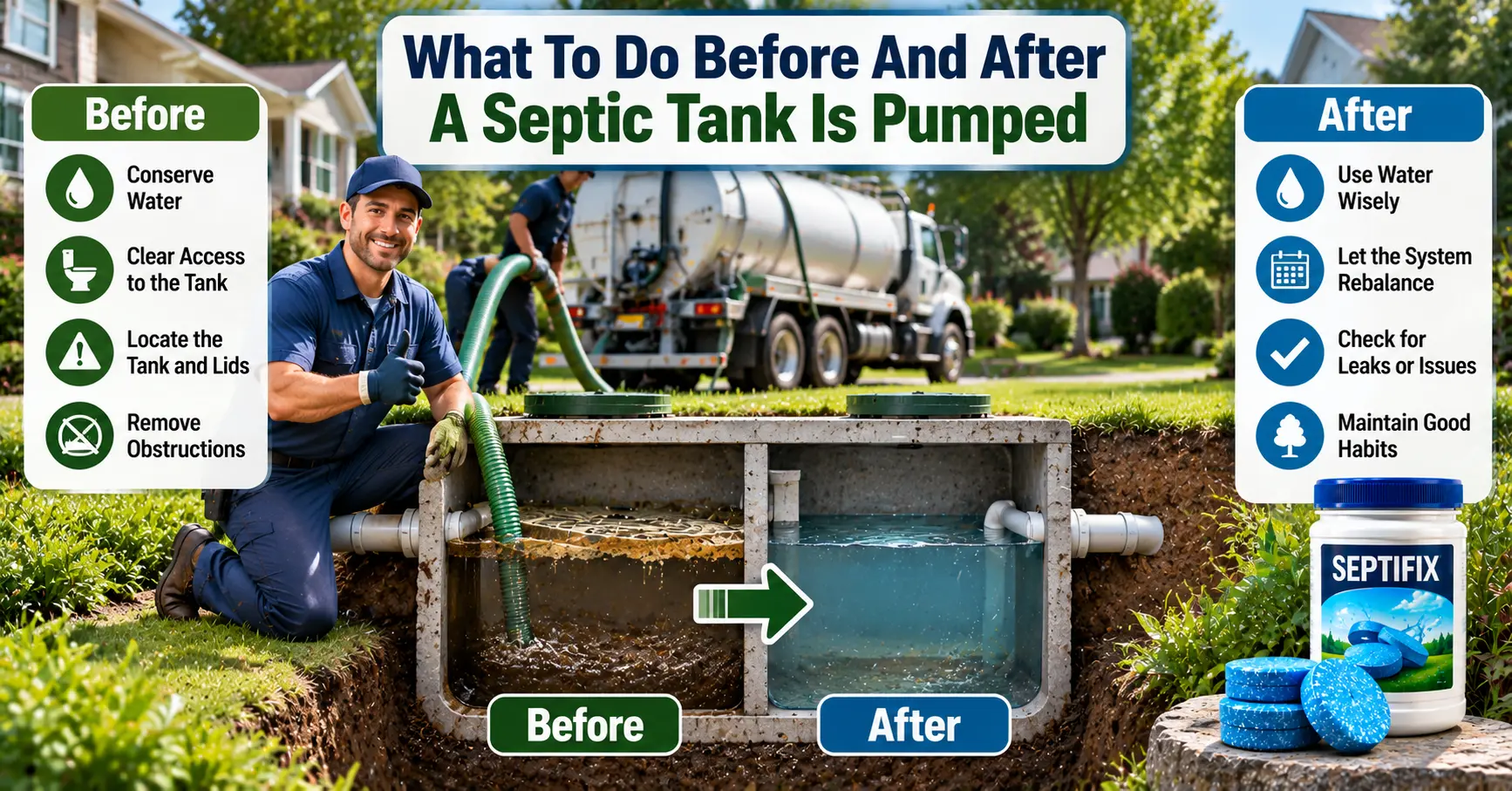
Before pumping, make sure the access point is reachable and avoid unnecessary heavy water use right beforehand. After pumping, ease back into normal water use over the following day, and use the freshly emptied tank as a natural point to restart or reinforce a consistent maintenance routine, since the tank's bacterial population needs to reestablish itself with new waste going forward.
Before Pumping: Your Checklist
- Confirm the exact location of your tank's access point, and clear away anything blocking it, furniture, planters, or overgrown landscaping
- Avoid scheduling right after unusually heavy water use, like back-to-back loads of laundry, so the technician isn't working with a tank at unusually high volume
- Gather any previous service records if you have them, which helps establish a maintenance history for the technician
- Ask your provider in advance about anything specific to your property, difficult access, known issues, or prior repairs, so they can prepare accordingly
What To Expect During The Visit
Most appointments take one to two hours, during which the tank is uncovered, pumped, visually inspected, and resealed. We cover the full step-by-step process in our companion guide, what happens during a septic tank cleaning, if you want the complete walkthrough.
Immediately After Pumping
- Confirm the access point has been properly resealed and any disturbed ground has been restored
- Ease back into normal water use gradually over the rest of the day rather than immediately running multiple appliances at once
- Ask the technician directly about anything they noted during the inspection, damaged baffles, unusual wear, or a recommendation to adjust your pumping schedule
- File your service receipt with your other maintenance records for future reference
See Current Septifix Pricing
A natural time to start or recommit to a consistent monthly routine.
Check Current PriceIn The Weeks Following
A freshly pumped tank starts essentially fresh in terms of bacterial population, since most of the previously accumulated material, and the bacteria living in it, has just been removed. This is a normal part of the cycle, and your system will naturally begin repopulating with bacteria as new waste enters. There's no special waiting period required before resuming normal household use, but it's a reasonable window to be a bit more mindful about what goes down the drains while the system reestablishes itself, avoiding excessive chemical or antibacterial product use in particular.
Using This As A Fresh Start For Your Routine
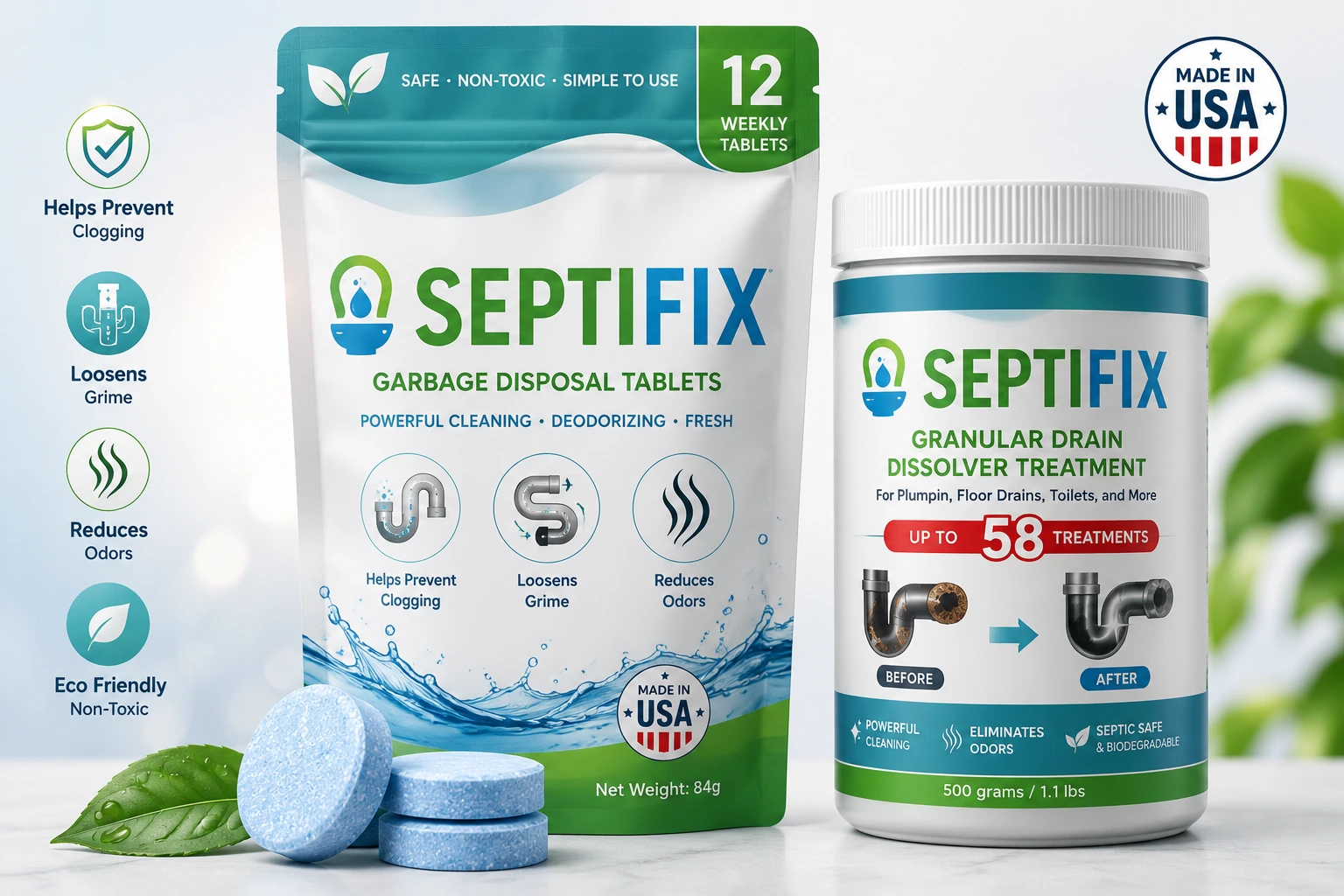
Right after a pumping is one of the most natural moments to start, or recommit to, a consistent monthly maintenance routine, since the tank is beginning a new cycle regardless. A treatment like Septifix, used consistently from this point forward, is designed according to the manufacturer to support the bacterial activity your system needs to reestablish efficiently. If you've been meaning to build a more consistent habit, this is as good a starting point as any. You can read the complete picture of how this works in our Septifix Review 2026, and if you're not sure how often you should be pumping in the first place, our guide on how often to pump a septic tank covers the general guideline.
Frequently Asked Questions
Should I avoid using water the day my tank is being pumped?
You don't need to avoid it entirely, but avoiding unusually heavy use, like running several loads of laundry back to back, right before the appointment is a reasonable courtesy that makes the technician's job easier.
How soon can I use water normally after pumping?
Normal use can generally resume right away. Easing back in gradually over the rest of the day is a reasonable practice, but there's no required waiting period.
Does a freshly pumped tank need a treatment product to work properly?
Not strictly, the tank will naturally repopulate with bacteria over time regardless. A consistent monthly treatment is an optional way to support that process rather than leaving it entirely to chance.
What should I ask the technician before they leave?
Ask whether they noticed anything unusual during the inspection, and confirm your next recommended pumping date based on what they observed about your tank's condition and fill rate.
Final Thoughts
Preparing properly before a pumping appointment, and following a few simple habits afterward, makes the whole process smoother and helps your system get the most benefit from the service. The period right after pumping is also a natural, practical moment to start or reinforce a consistent maintenance routine going forward, since your tank is essentially starting its next cycle from a clean baseline.